
Legendary Sportspersons of Assam
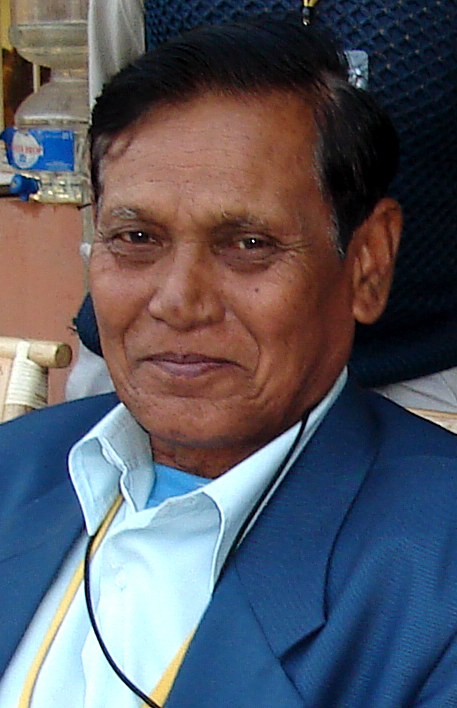
Bhogeswar Baruah
AthleticsBhogeswar Baruah, the first Arjuna Awardee from Assam, was born on September 3, 1940 in the Upper Assam district of Sivasagar. A sports enthusiast from a young age, he joined the Indian Defence Force in 1960, which allowed him to focus on athletics, particularly middle-distance running. From 1964 to 1968, Baruah established his dominance in the 800 meters in national as well as international circuits.
Although he missed the opportunity to compete in the 1964 Olympics, he rebounded with a remarkable performance at the 1965 National Athletics Competition in Bengaluru, setting a national record with a time of 1 minute 49.9 seconds. His most significant achievement came at the 1966 Asian Games, where he won gold in the 800 meters, clocking a record time of 1 minute 49.4 seconds — the first gold medal for an athlete from Assam in the Asian Games. He also earned a silver medal in the 4x400 meters relay at the 1970 Asian Games in Bangkok. His birthday, September 3, is celebrated annually as Sports Day by the Abhiruchi Group, honouring his legacy in Indian sports.
Talimeren Ao
FootballTalimeren Ao, popularly known as T Ao, is considered one of India's all-time great soccer players. Ao, a doctor by profession, was born in 1918 in Changki village (now in Mokokchung district of Nagaland). He came to limelight while representing Guwahati-based Maharana Club as a half back. His performance in the 1941 IFA Shield caught the eye of Kolkata soccer officials and he immediately got an offer to play for Mohun Bagan.
Ao was also the first soccer captain of Independent India and led the national soccer team in the 1948 London Olympics. He was also the flag-bearer of the Indian contingent. It is believed that Talimeren Ao turned down the offer to play for Arsenal to continue his medical studies. In 2002 Mohun Bagan honoured him by creating the Mohun Bagan Ratna Award and giving him a Life Membership. In Assam, an outdoor stadium at Kaliabor and an indoor stadium at Cotton College have been named after him.
Tayabun Nessa
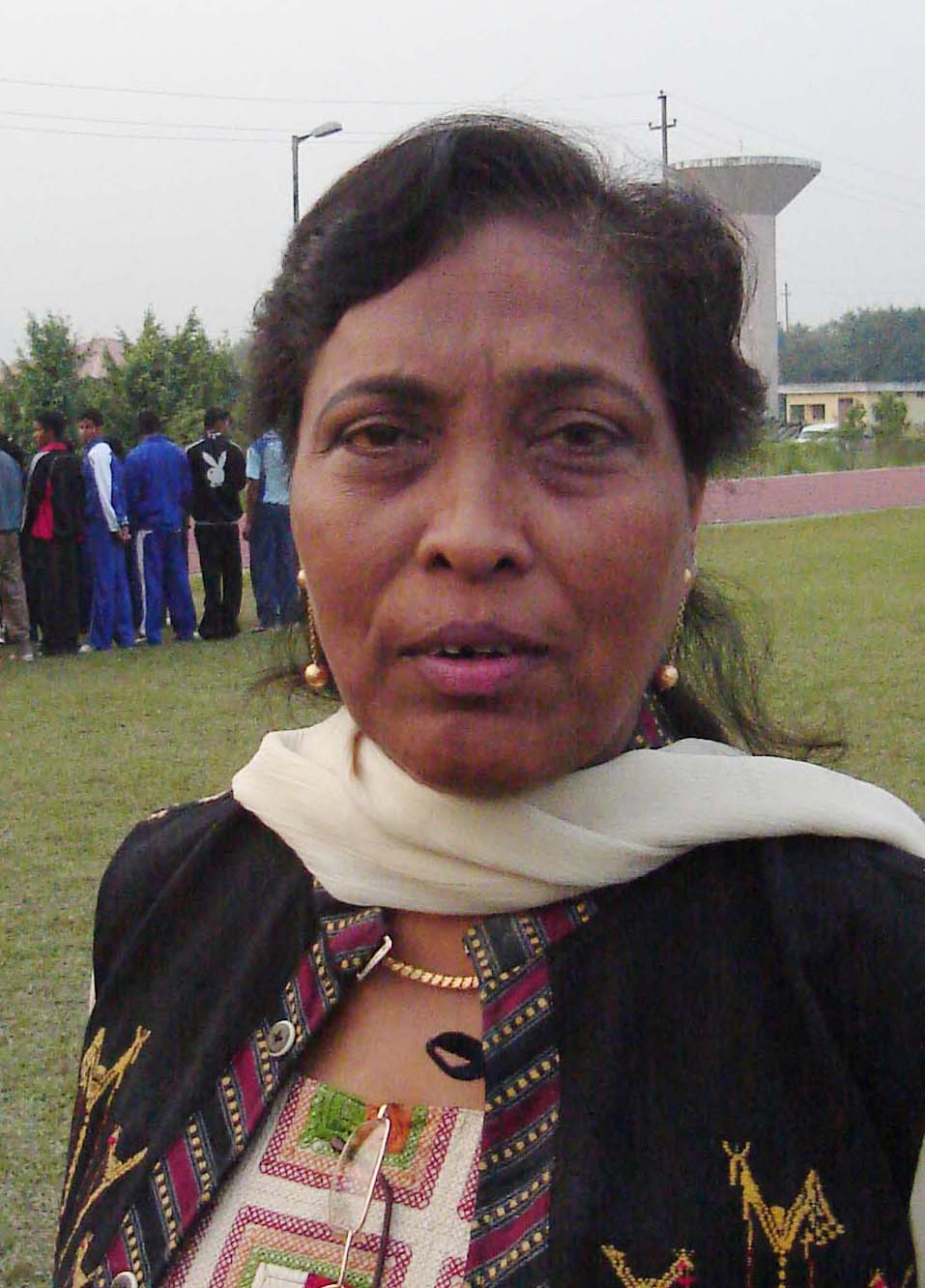
Athletics — Discus ThrowTayabun Nessa is hailed as one of the finest athletes from Assam, particularly among women, and is often compared to Bhogeswar Baruah. Her journey is a testament to resilience and determination, as she rose from an economically disadvantaged background in Sivasagar district to become a role model for aspiring athletes. As a discus thrower, she won her first national medal — a bronze — at just 15 during a state athletics meet in Ahmedabad.
She gained national attention when she broke a 12-year record with a throw of 29.23 meters at a national meet. Her standout performance came at the 1981 National Championships, where she set a new record by hurling the discus 41.66 meters, earning her a place on the Indian team for the 1982 Asian Games in New Delhi. After an illustrious career, Tayabun retired from NF Railway as a senior official but remains actively involved in athletics.
Monalisa Barua Mehta
Table TennisMonalisa Barua Mehta, born on December 7, 1963, is a pioneering figure in Indian sports and the first woman athlete from the North East to receive the prestigious Arjuna Award. She began her table tennis journey at the age of 11 and made a memorable debut at the All-Assam Table Tennis Championship in Nagaon. She won her first National Sub Junior title in 1976, and went on to claim the Junior and Senior National titles in 1979 and 1985 respectively.
She contributed significantly to Assam's five consecutive victories in the Padmawati Trophy since 1975. Monalisa represented India at the Asian Games in 1982 (Delhi) and 1986 (Seoul), as well as at the Asian Table Tennis Championships, World Championships, and SAF Games. In recognition of her achievements, she was awarded the Arjuna Award in 1987.
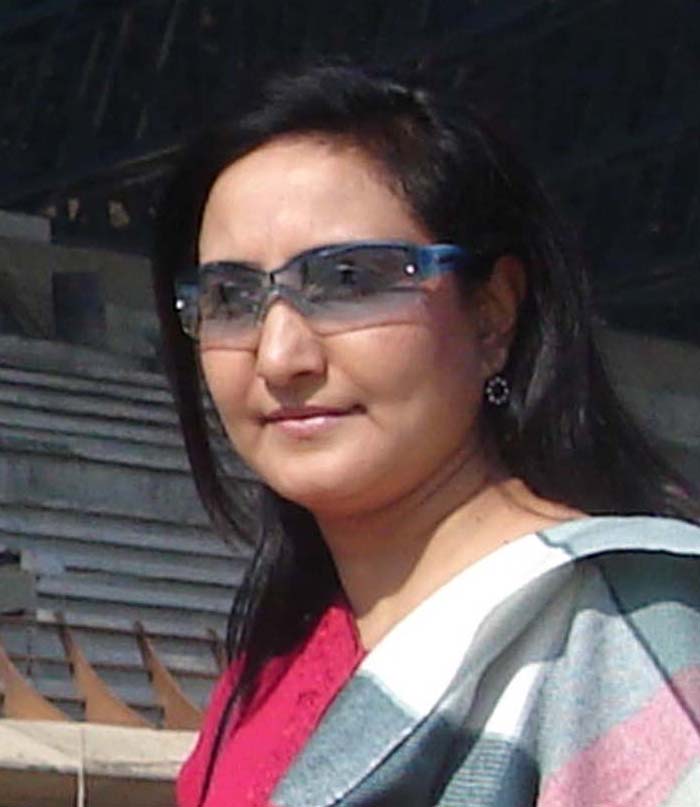
Dipankar Bhattacharjee
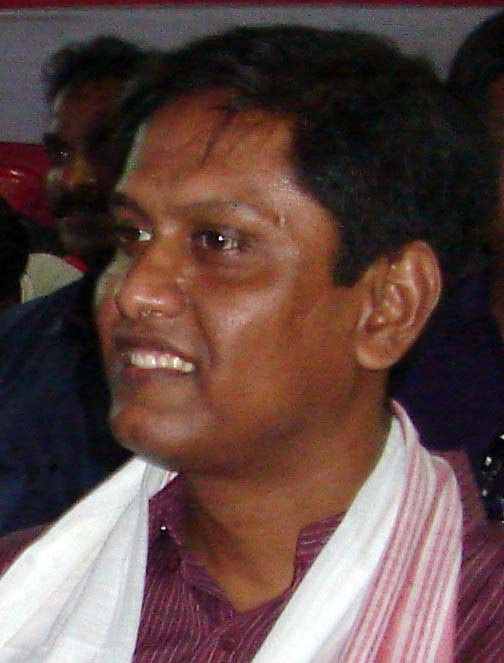
BadmintonDipankar Bhattacharjee, born on February 1, 1972 in Guwahati, is regarded as one of India's finest badminton players. He began his journey at the age of 8, training under his father and later at the Prakash Padukone Badminton Academy in Bangalore. He won his first senior national title in 1994 and represented India at the 1992 Barcelona Olympics, reaching the pre-quarter finals against world number one Zhan Xianhua.
Dipankar made history as the first Indian badminton player to compete in two consecutive Olympics. Upon returning from Barcelona, he was awarded a brand-new car by then Chief Minister Hiteswar Saikia. Injuries ultimately led him to retire at 33. His legacy continues to inspire aspiring shuttlers across the country.
Susan Das Choudhury
TennisSusan Das Choudhury is considered a pioneering tennis player and possibly the first female star of Assam in the sport. Growing up in Tezpur, she moved to Kolkata to train under renowned coach Akhtar Ali. By the 1970s, Susan had firmly established herself as one of India's top tennis players, alongside notable figures like Kiran Bedi and Nirupama Mankad.
She won her first national women's singles title in New Delhi in 1975 and went on to represent India in the Federation Cup twice. From 1969 to 1978, she was a key member of the national team, competing in various international events including the qualifying rounds of Wimbledon. Known for her powerful serve and well-crafted drop volleys, her contributions to Indian tennis have paved the way for future generations.


Sarat Das
FootballSarat Das, born in 1916, is celebrated as one of the finest footballers Assam has ever produced. His talent was recognized early by Animesh Ganguly, known as the "soccer saint of Assam," who invited him to join Maharana Club in 1935. Within a few years, Das established himself as one of the best defenders in Assam, and in 1941 he signed with the illustrious Mohun Bagan club.
Gosta Paul, a revered defender in Kolkata football, acknowledged that after him, it was Sarat Das who managed the defence best in Kolkata football. Sadly, an injury forced Das to retire from competitive football in 1948, just as he was on the probable list for the Indian team heading to the London Olympics.
Toshen Bora
FootballToshen Bora, born on February 14, 1950, in Naharkatia, Dibrugarh district, is a celebrated figure in Assam football. In 1964, he was named the best player of the Junior Inter-District Football Tournament at just 14. He served as vice-captain of the Assam School Team and later captained the Guwahati Senior Team in the 1971 Senior Inter-District tournament.
Over his career, he participated in the Santosh Trophy seven times, three of those as captain of the Assam team. In 1972, he had the honour of representing India in the pre-Olympic qualifying matches. After his playing career, Toshen took on roles as a coach for the Assam team and as a selector for the Indian National Team.

Debashish Roy
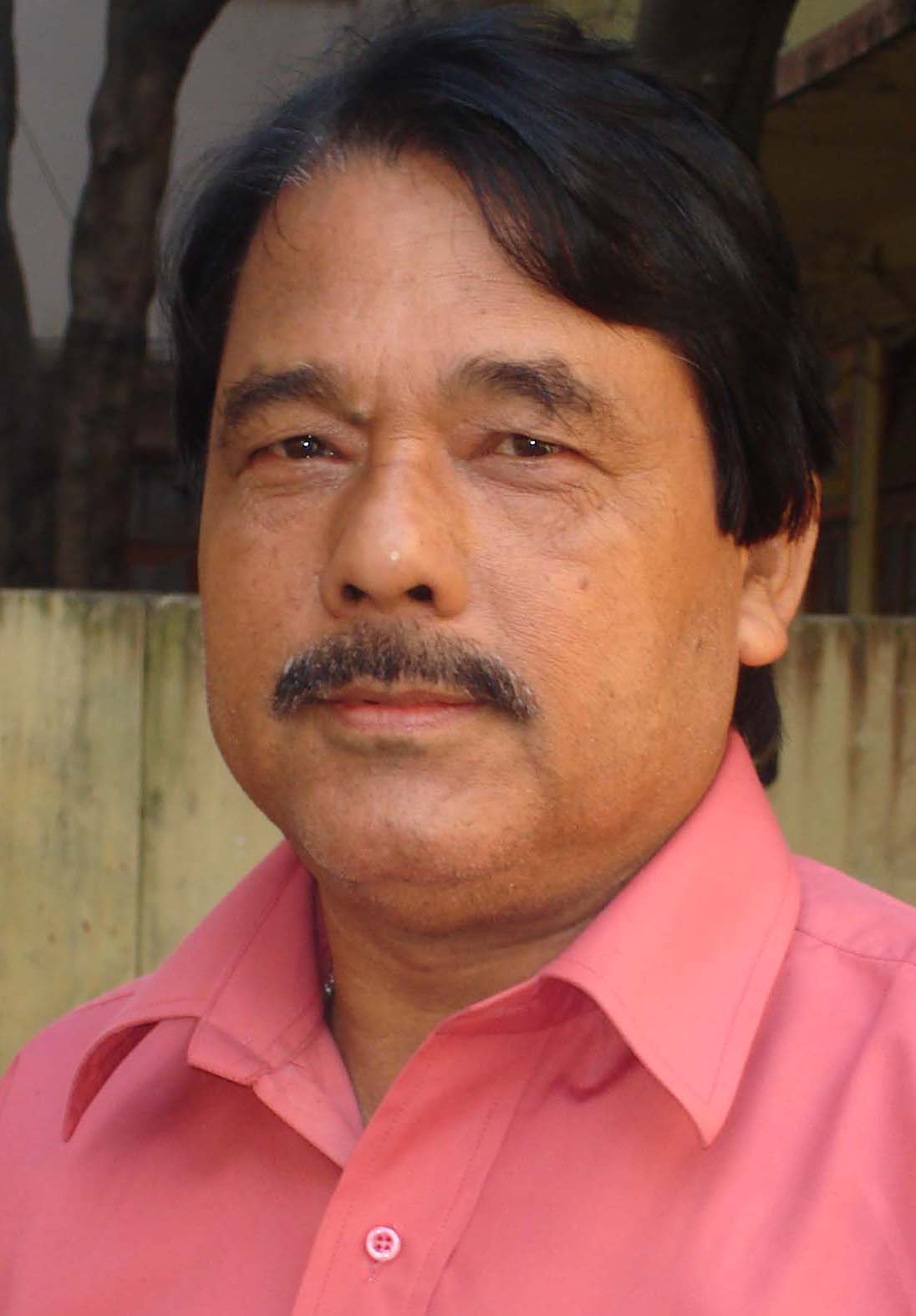
FootballDebashish Roy, born on December 2, 1954, in Karimganj district, is a notable figure in Indian football. A versatile center forward known for his impressive sprinting ability, he represented Assam in the Santosh Trophy twice and played five times for Bengal. He also served as vice-captain of the Indian junior squad during a tournament in Pyongyang, North Korea.
He is the only player in the annals of Kolkata football to play for all top three clubs — Mohun Bagan, East Bengal and Mohammedan Sporting — and also became the top scorer in the Kolkata IFA League. He also captained Gauhati University to a 5-0 thrashing of Kolkata University in the Ashutosh Memorial University football championship final.
Gilbertson Sangma
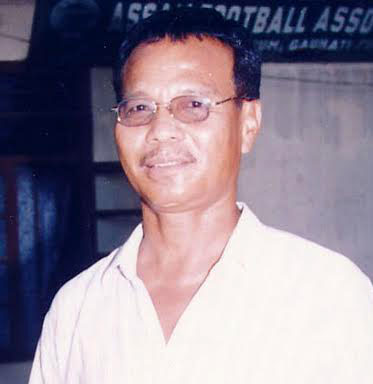
FootballGilbertson Sangma, born on April 12, 1955, in Dibrugarh, emerged as a superstar in Assam football during the 1970s and 80s. He represented Assam in the Santosh Trophy from 1973 to 1980 and had the honour of representing India in three international matches in Indonesia and Thailand in 1975.
Known for his speed, ball control, and quick thinking, Sangma played a crucial role in helping Assam Police secure several prestigious titles including the Bordoloi Trophy. He was recognized with the Lachit Award in 1979 and eventually retired as a top official of the Assam Police, remaining actively involved in soccer activities in Guwahati.
Mithoo Baruah
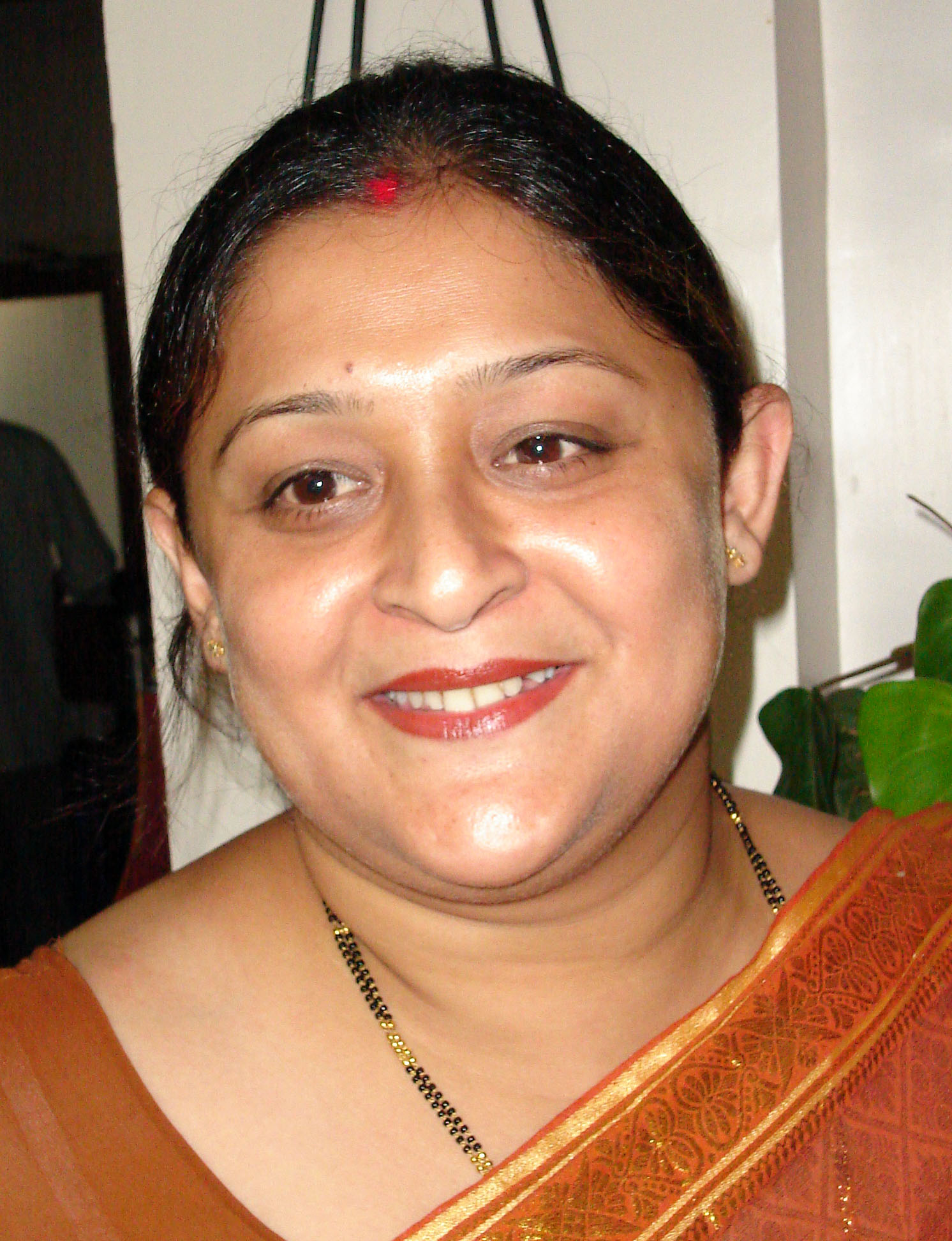
SwimmingMithoo Barooah is regarded as one of the finest swimmers in Assam's sporting history. She began her swimming journey at Dighalipukhuri, facing challenges due to a lack of modern facilities. A contemporary of renowned Indian swimmer Bula Choudhury, Mithoo dominated nearly every national championship during her competitive years.
She represented India in various international meets including the SAF Games and the Asia Pacific Championships. Her standout performance came at the 7th Asia Pacific Championships in Hong Kong in 1993, where she won two gold medals, two silvers, and a bronze. She retired as a top officer from NF Railway. Her son, Riyan Parag, has made a name for himself as an international cricketer.
Jayanta Talukdar
ArcheryJayanta Talukdar, born in 1986 in Guwahati, is a prominent Indian archer who began practicing at just four years old. He won a silver medal with the Indian team at the Junior World Championships in 2004 and claimed gold at the FITA Meteksan World Archery Championship in 2006. He also earned gold at the 2006 South Asian Games in Colombo and bronzes at the Doha 2006 and Guangzhou 2010 Asian Games.
His dream of representing India at the Olympics came true in 2012 when he competed in London. In recognition of his contributions to Indian sports, Jayanta received the Arjuna Award in 2007, becoming the third athlete from Assam to be honoured with this prestigious accolade.
Joydeep Das
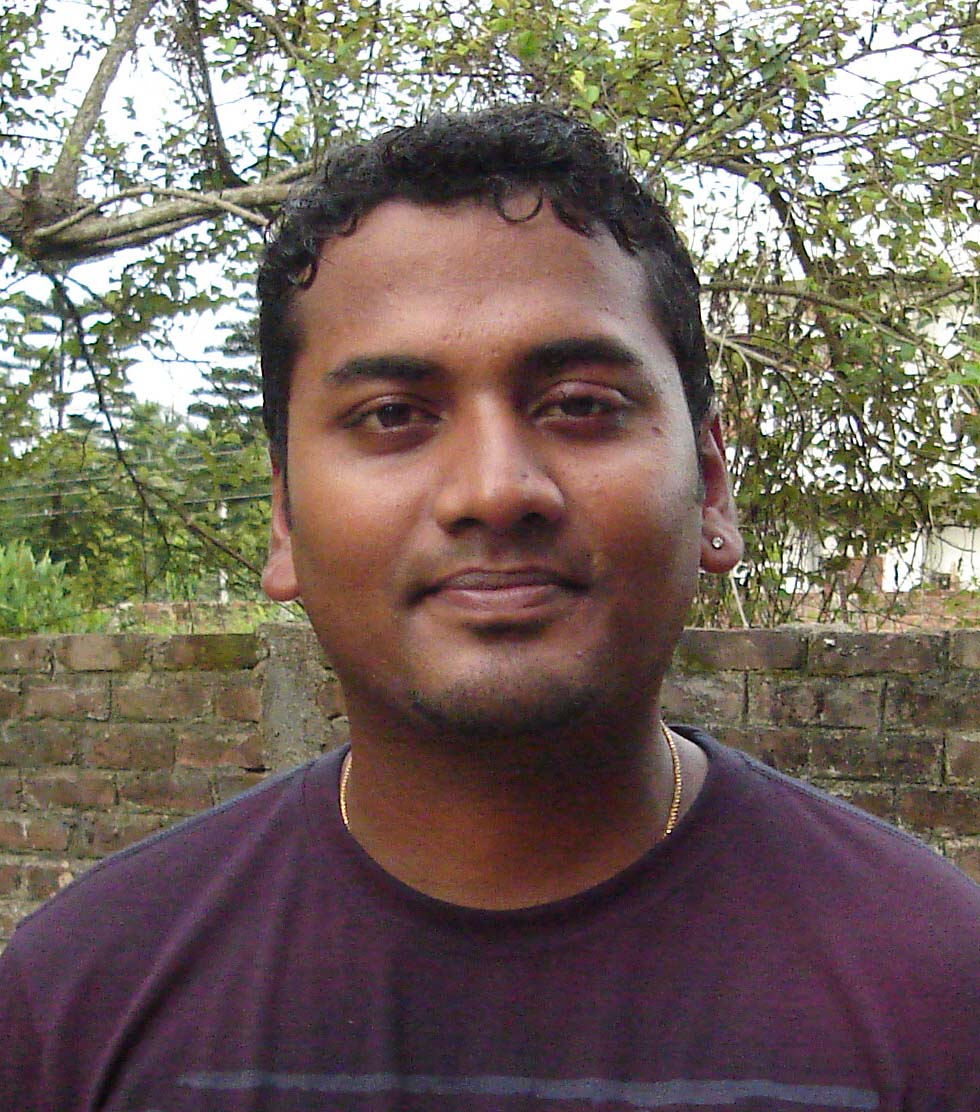
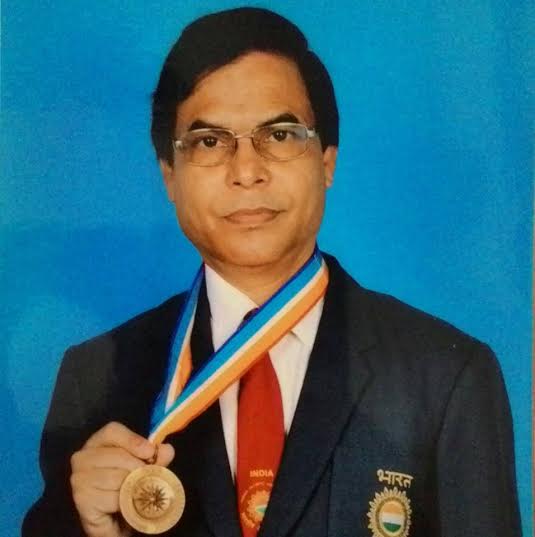
ShootingJoydeep Das, a reputed sportsperson in the field of shooting, is known for his medal-winning performance at the 1986 Asian Games held in Seoul. He bagged a bronze medal in the .22 Small Bore Rifle shooting event, becoming the second athlete from Assam — after Bhogeswar Baruah — to collect a medal from the Asian Games. Das, who hails from Silchar, also represented India in the Asian Shooting Championship.
Arlen Konwar
CricketArlen Konwar, born in 1981 in Dergaon, was once the highest wicket-taker from Assam in first-class cricket. A right-arm spinner, he made his Ranji Trophy debut during the 2001–02 season against Jharkhand at Keenan Stadium in Jamshedpur. Over his career, he played 69 first-class matches, amassing an impressive 212 wickets.
Arlen made history for Assam cricket by becoming the first bowler from the state to achieve the milestone of taking over 200 wickets in first-class cricket, solidifying his legacy as a key player in Assam's cricketing landscape.
Rajesh Bora
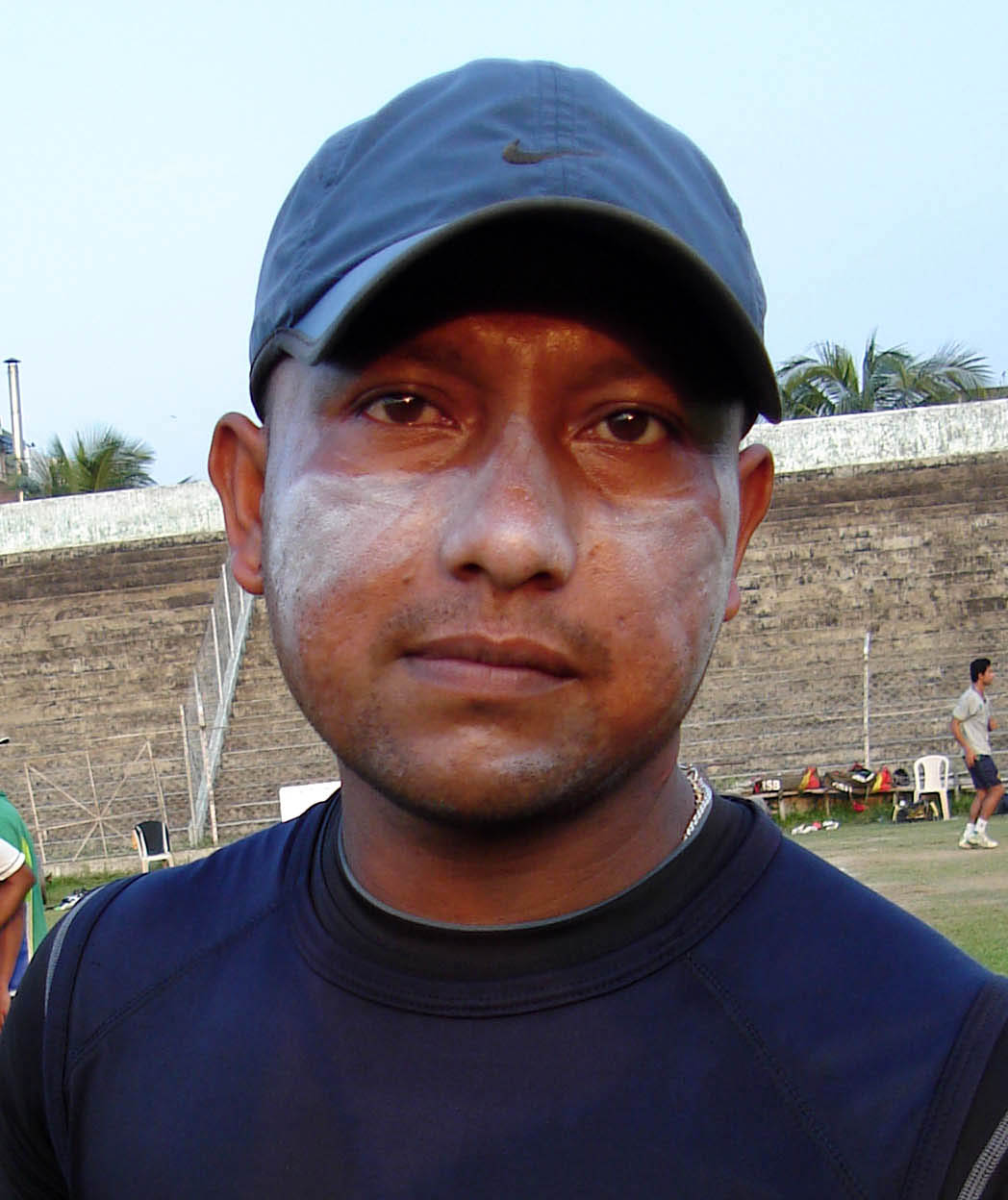
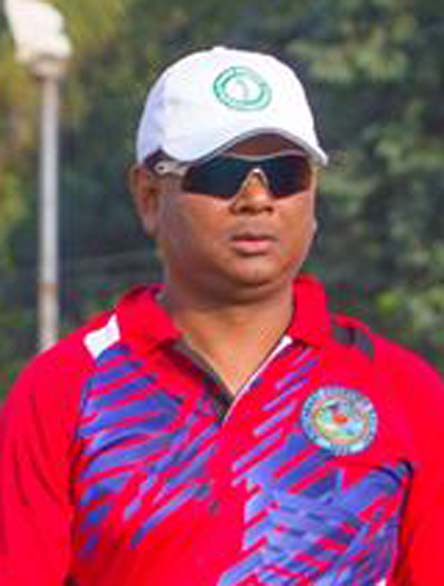
CricketRajesh Bora, born in Tezpur in 1967, made his Ranji Trophy debut at just 17. Over his career he played 66 first-class matches, accumulating 3,447 runs including five centuries and 17 fifties. His highest score of 235 against Bihar remains a standout achievement.
One of his most memorable innings was an explosive century against Tripura in 1988 at NFRSA Stadium, Maligaon — 126 runs off just 62 balls, with 11 fours and 11 sixes, including four sixes in consecutive balls, marking it as one of the fastest centuries in Indian domestic cricket. Despite narrowly missing the Indian national team, Bora remains one of the finest batters from the region.
Gautam Dutta
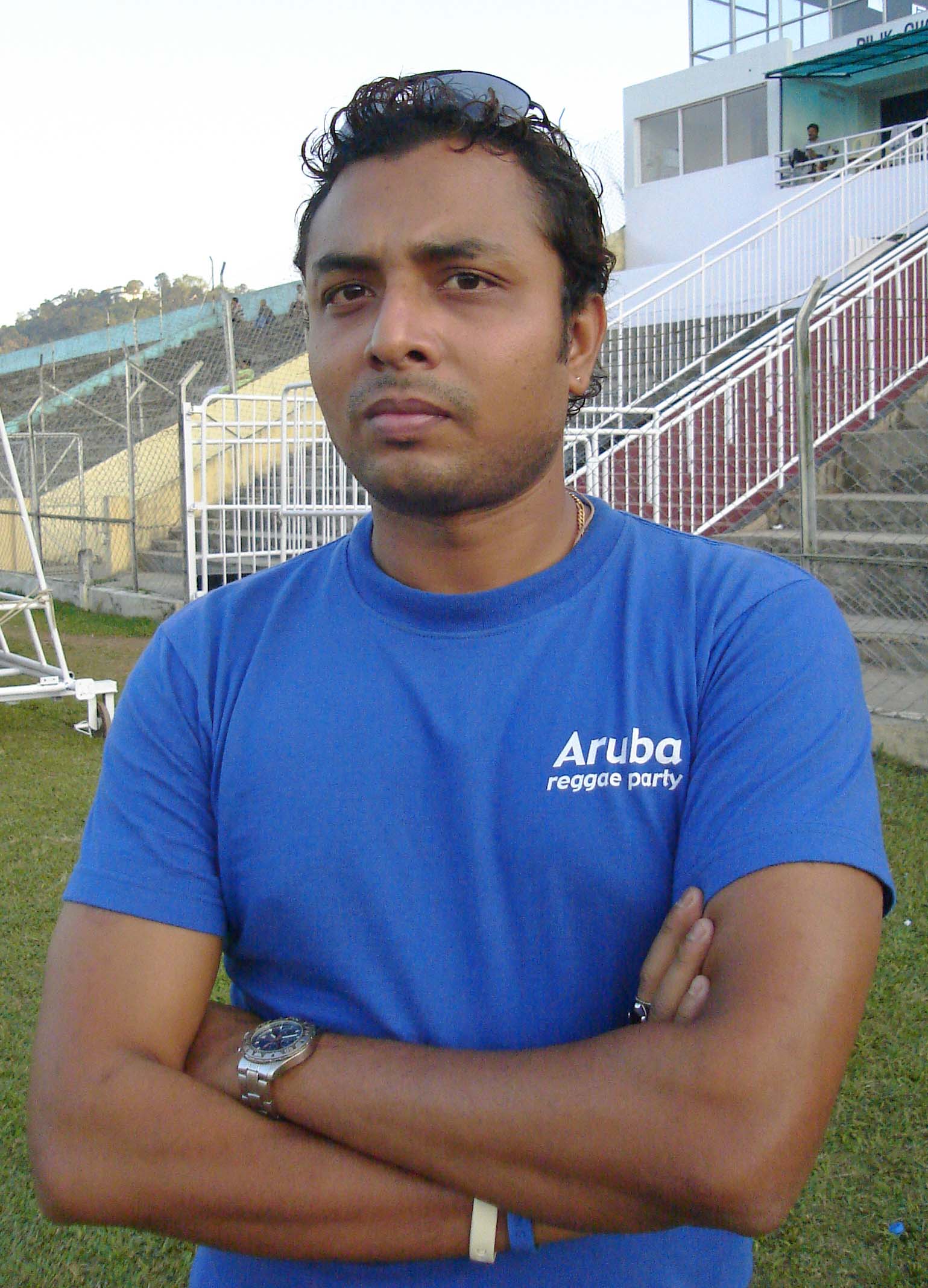
CricketGautam Dutta, fondly known as "Goti", is recognized for his dual talent as a bowling all-rounder. Inspired by India's 1983 World Cup win, he made his Ranji Trophy debut in 1989 and had a commendable career — 53 first-class matches, 142 wickets and 1,654 runs including eight fifties. He also represented the U-19 Indian team alongside notable players like Rahul Dravid.
His standout performance came during the 1991–92 season against Tripura, where he claimed 14 wickets in a match — nine of them in the first innings — marking it as one of the best performances by an Assamese bowler in first-class cricket.
Syed Zakaria Zuffri
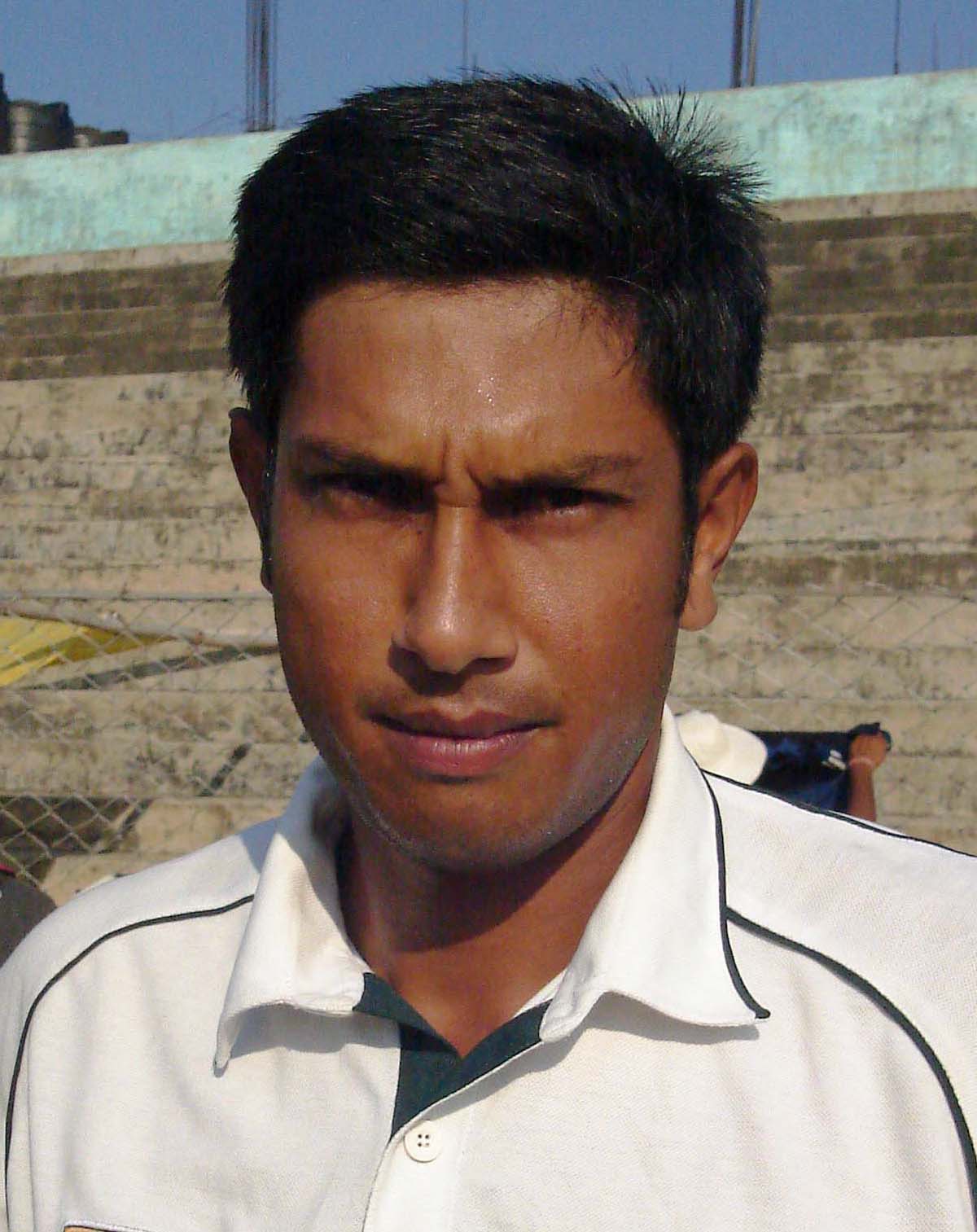
CricketSyed Zakaria Zuffri, affectionately known as "Zak", born in Guwahati in 1975, established himself as a prominent wicketkeeper-batter, representing Assam, East Zone, Railways, and India B. He made a memorable Ranji Trophy debut in the 1992–93 season against Tripura, impressively taking seven catches in that match.
Over his career, he played 76 first-class matches — the most by any Assamese cricketer — scoring 3,037 runs including three centuries and 15 fifties. He also completed 150 catches and 21 stumpings, showcasing his skills as one of the finest wicketkeepers from the region. He also participated in the Indian Cricket League (ICL) as a member of the Hyderabad Heroes.
Anup Ghatak
CricketA footballer of great repute, Anup Ghatak changed his boots and turned to cricket when he joined Cotton College in 1958. He made his Ranji debut in 1963 and in his very second game the medium pacer picked up seven wickets against Bihar, cementing his place in the team.
Known for his hostile pace, Ghatak became the first bowler from Assam to collect 100 wickets in the Ranji Trophy, playing 36 first-class matches and picking up 125 wickets. The record stood for nearly two decades before Gautam Dutta broke it. Many felt that luck denied Ghatak the opportunity to play for India.
Nandini Barua
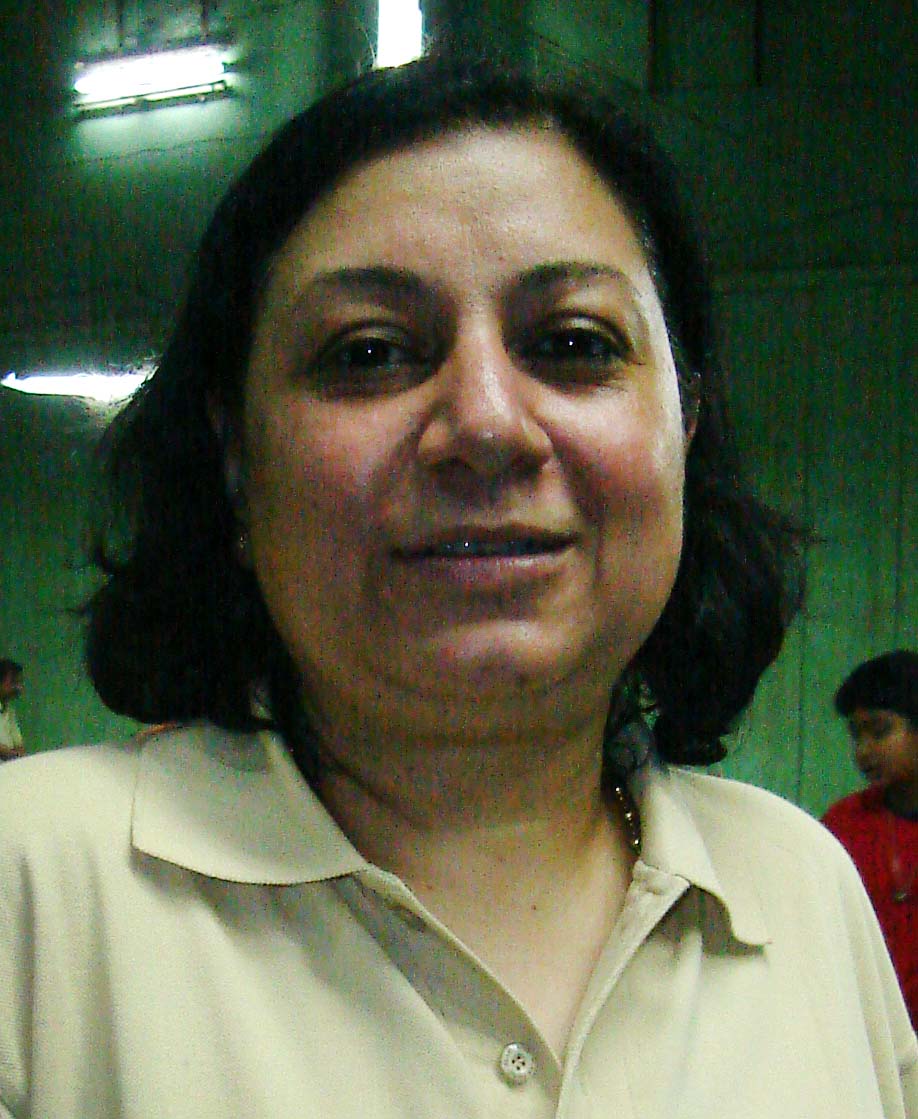
Table TennisNandini Barua, born on August 13, 1957, was the first Assamese paddler to represent India — at the 2nd Asian Table Tennis Championship. Barua, a noted educationist and recipient of the state award in 1979, represented Assam in various national level championships and remains an inspirational figure in Assam's table tennis history.